

VITON13 / Focused service
Competitor and demand research
See what customers compare, where rivals look interchangeable and which gap is credible.
Start this service brief↘In short
What does Competitor and demand research include?
Competitor and demand research starts at USD 53 with AI-assisted production or USD 73 with a human-led route; typical delivery is 3–5 working days.
The published scope includes competitor landscape, demand evidence, opportunity directions.
VITON13 confirms deliverables, inputs, revisions, exclusions, handoff, timing and final price in writing before production begins.
What you get and on what terms
Competitor and demand research
See what customers compare, where rivals look interchangeable and which gap is credible.
AI-assistedfrom $53
Human-ledfrom $73
- Competitor landscape
- Demand evidence
- Opportunity directions
- Timeline
- 3–5 working days
- Revisions
- the number of review rounds is confirmed in the written scope
- Included
- only the deliverables listed in the agreed package
- Not included
- external costs and work outside the agreed scope
- From you
- brief, current materials and any access needed for this scope
- You receive
- listed deliverables plus a written completion note
Both routes produce professional work. Scope, deliverables, timeline, revisions, required inputs, exclusions and handoff are confirmed before production. External costs are separate.
USD is the tariff currency; other currencies are indicative conversions.
Request
Describe your task
One message and one way to reach you are enough. No account needed. We confirm what is possible, the scope and the final price in writing before work starts.
- We reply using the contact you choose, usually within one working day.
- Scope in writing before work starts: deliverables, revision rounds and what is not included.
- Remote delivery worldwide, in five languages, with prices shown in your currency.
- No account needed. Attachments are encrypted in this browser before upload.
Other ways to reach the studio
Direct lineWrite to the studio directly
No account and no waiting on a form: what you write lands in the studio's cabinet the moment you send it, and the reply appears right here and in your email.
Reply in 1 to 13 minutesDuring studio hours. A message sent at night is answered first thing in the morning.What happensYou write what you want in your own words. The message goes straight into the studio's inbox with this service and the chosen package attached. The studio answers here, in this window, within 1 to 13 minutes during working hours, and a copy of every reply goes to your email. No account is created.What happens
Services from $13
AI reduces repetitive production time. VITON13 passes that efficiency back to the client while human review remains part of every delivery.
Order with V13 IDSee what customers compare, where rivals look interchangeable and which gap is credible.
01
Evidence before opinion
The review uses customer, channel and operating evidence that the buyer can inspect. It specifically tests the risk that screenshots and feature tables are collected without evidence of why customers switch, stay or reject the category.
02
The commercial question
Competitor and demand research starts by making the alternatives buyers actually consider, their evaluation criteria, category claims and unresolved needs visible in one real commercial situation. Declared positioning must be separated from the real experience of enquiry, proof, purchase and support.
03
What the work produces
Competitor landscape establishes the starting evidence; Demand evidence turns it into a controlled direction; Opportunity directions preserves the decision and handover.
04
A responsible boundary
The proposal separates prerequisites, included work and later options. It also names the condition in which focused win-loss interviews when the primary uncertainty lies in recent sales decisions is the more responsible choice.
05
Named ownership
An owner is named for Competitor landscape, an approver for Demand evidence and a continuing custodian for Opportunity directions. Access and review dates are part of the handover.
06
The decision after delivery
See what customers compare, where rivals look interchangeable and which gap is credible. The closing review records what proceeds now, what waits and which evidence will trigger the next decision.
Competitor landscape
Competitor landscape makes the starting evidence visible. It must show how the alternatives buyers actually consider, their evaluation criteria, category claims and unresolved needs appears in the buyer’s actual situation, not in a fictional example.
Demand evidence
Demand evidence turns the chosen direction into a controlled operating route. Its review should expose this known failure: screenshots and feature tables are collected without evidence of why customers switch, stay or reject the category.
Opportunity directions
Opportunity directions carries acceptance and handover. A named owner should be able to verify a sourced landscape, buyer-led comparison dimensions, evidence strength and opportunity hypotheses with counterarguments without relying on an unexplained presentation.
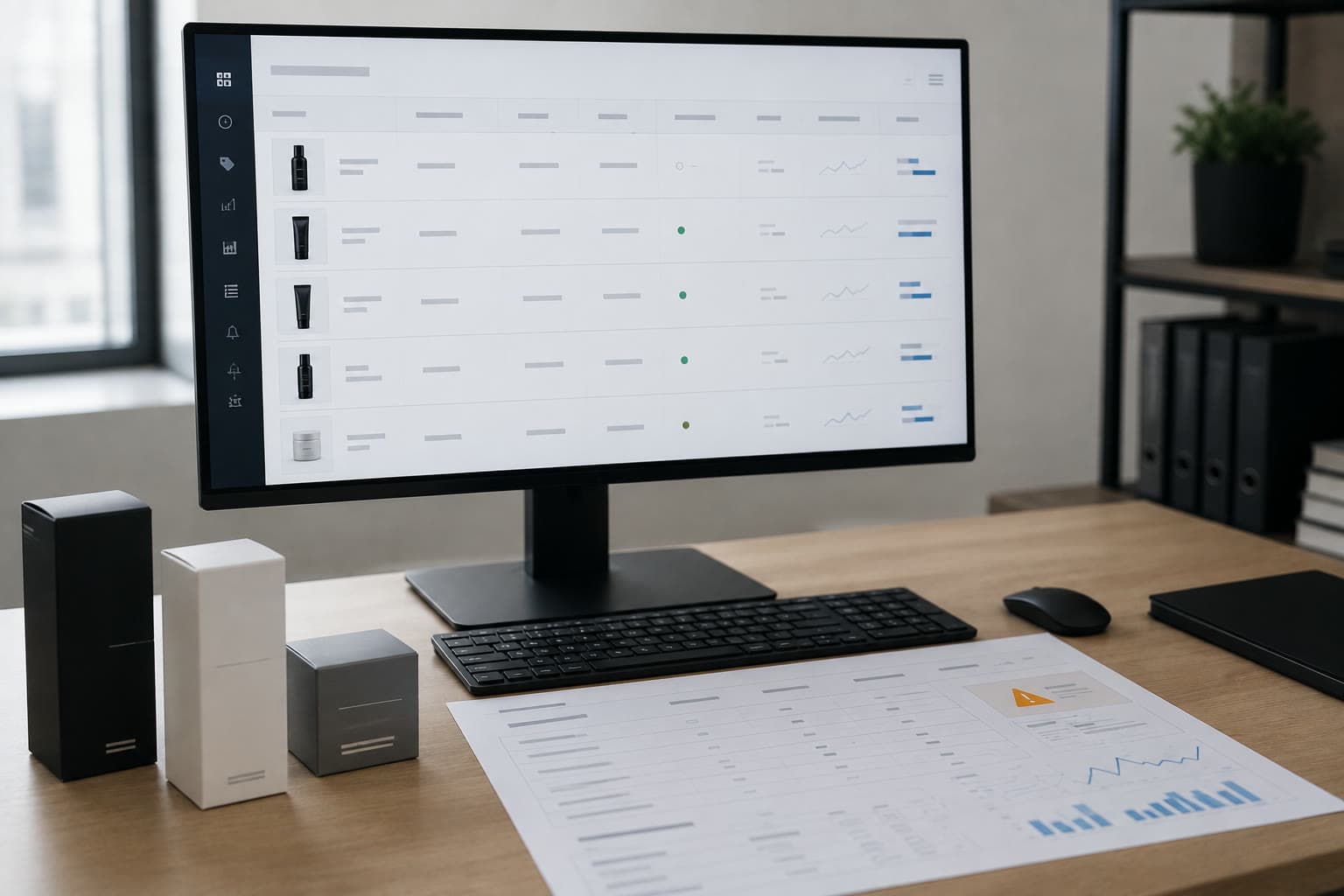
Read the full guide before ordering
Competitor and demand research: from first diagnosis to a decision-ready plan
Competitor and demand research gives teams dealing with the alternatives buyers actually consider, their evaluation criteria, category claims and unresolved needs a practical buyer guide.
Open the article↗Questions people ask before buying
01What should our team prepare before Competitor and demand research starts?+
Bring one recent customer or campaign case, the current Competitor landscape material, access constraints and the person authorised to make the commercial decision. The opening review uses these inputs to examine the alternatives buyers actually consider, their evaluation criteria, category claims and unresolved needs.
02How is the scope of Competitor and demand research confirmed?+
The scope separates prerequisites, the three named outputs and later options. If the evidence shows that focused win-loss interviews when the primary uncertainty lies in recent sales decisions is sufficient, the smaller route is documented before a proposal is approved.
03How does the work move from evidence to delivery?+
Competitor landscape establishes the starting point, Demand evidence carries the chosen direction and Opportunity directions records the handover. Reviews happen at the decisions between those artifacts, not only at the end.
04What is the acceptance standard for Competitor and demand research?+
Acceptance means a sourced landscape, buyer-led comparison dimensions, evidence strength and opportunity hypotheses with counterarguments. The evidence and owner are named in advance, so a polished presentation cannot substitute for an incomplete operating result.
05When should we choose a smaller engagement?+
Choose focused win-loss interviews when the primary uncertainty lies in recent sales decisions when it resolves the central uncertainty without creating unused process. The full service is appropriate when the connected decisions and ownership all need to change together.
More in this category

Marketing strategy
Decide who to reach, what to promise and which channel deserves the next budget.
↗
Brand positioning
Give customers one credible reason to choose you and language a team can repeat.
↗
Product launch campaign
Coordinate message, assets, channels and launch rhythm around one commercial moment.
↗
Marketing audit
Trace spend, messages, journeys and measurement to find the few marketing failures that deserve action first.
↗