
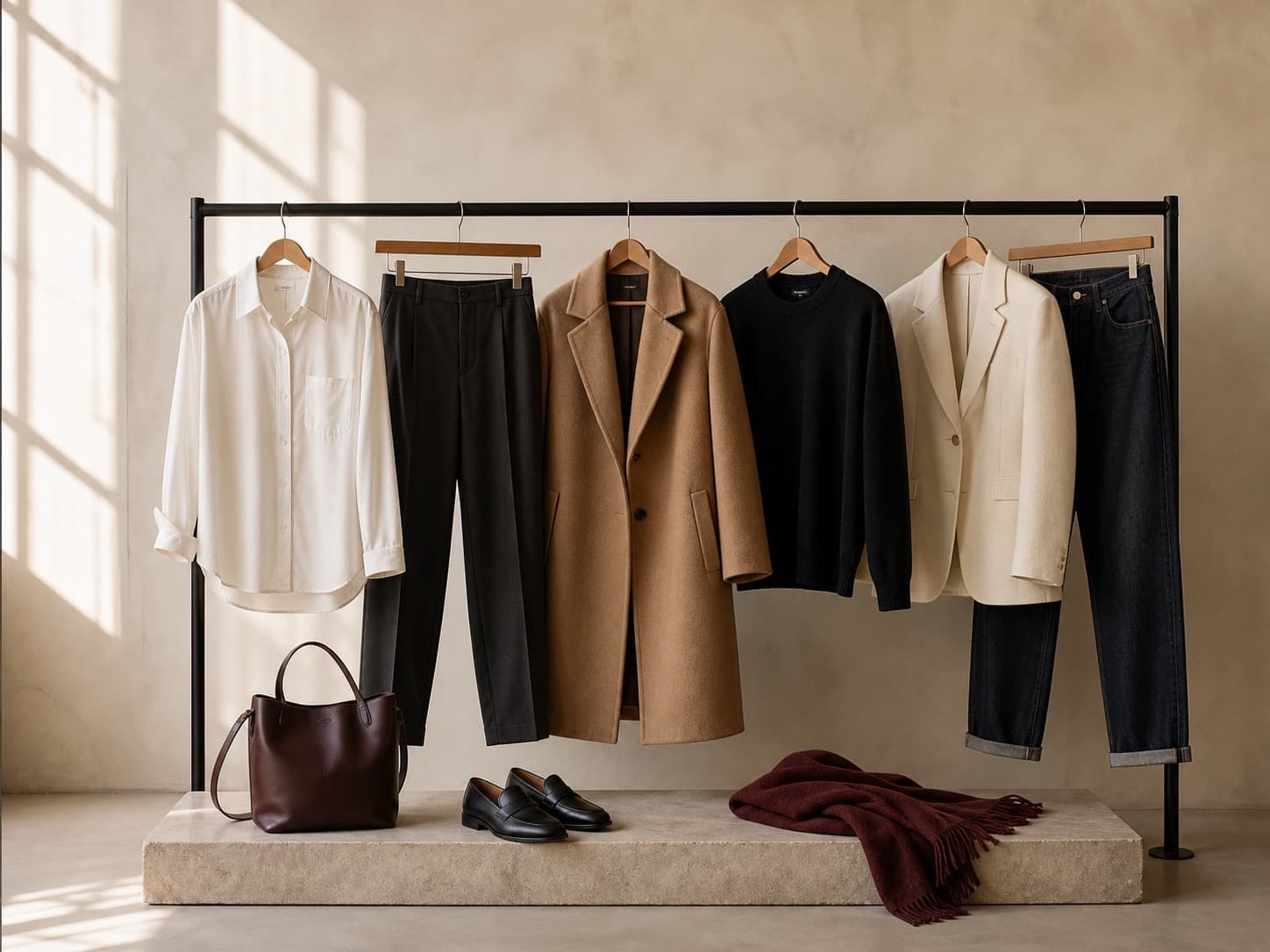
VITON13 / Focused service
Wardrobe edit
Sort what works, what needs alteration and what creates repeated wardrobe gaps.
Start this service brief↘In short
What does Wardrobe edit include?
Wardrobe edit starts at USD 73 with AI-assisted production or USD 93 with a human-led route; typical delivery is 5–8 working days.
The published scope includes keep-alter-release map, outfit combinations, gap list.
VITON13 confirms deliverables, inputs, revisions, exclusions, handoff, timing and final price in writing before production begins.
What you get and on what terms
Wardrobe edit
Sort what works, what needs alteration and what creates repeated wardrobe gaps.
AI-assistedfrom $73
Human-ledfrom $93
- Keep-alter-release map
- Outfit combinations
- Gap list
- Timeline
- 5–8 working days
- Revisions
- the number of review rounds is confirmed in the written scope
- Included
- only the deliverables listed in the agreed package
- Not included
- external costs and work outside the agreed scope
- From you
- brief, current materials and any access needed for this scope
- You receive
- listed deliverables plus a written completion note
Both routes produce professional work. Scope, deliverables, timeline, revisions, required inputs, exclusions and handoff are confirmed before production. External costs are separate.
USD is the tariff currency; other currencies are indicative conversions.
Request
Describe your task
One message and one way to reach you are enough. No account needed. We confirm what is possible, the scope and the final price in writing before work starts.
- We reply using the contact you choose, usually within one working day.
- Scope in writing before work starts: deliverables, revision rounds and what is not included.
- Remote delivery worldwide, in five languages, with prices shown in your currency.
- No account needed. Attachments are encrypted in this browser before upload.
Other ways to reach the studio
Direct lineWrite to the studio directly
No account and no waiting on a form: what you write lands in the studio's cabinet the moment you send it, and the reply appears right here and in your email.
Reply in 1 to 13 minutesDuring studio hours. A message sent at night is answered first thing in the morning.What happensYou write what you want in your own words. The message goes straight into the studio's inbox with this service and the chosen package attached. The studio answers here, in this window, within 1 to 13 minutes during working hours, and a copy of every reply goes to your email. No account is created.What happens
Services from $13
AI reduces repetitive production time. VITON13 passes that efficiency back to the client while human review remains part of every delivery.
Order with V13 IDSort what works, what needs alteration and what creates repeated wardrobe gaps.
01
The real decision
Wardrobe edit should solve one precise decision: separate useful pieces, alteration candidates and real gaps before another purchase. That sentence is the editorial test for every recommendation that follows. Checkpoint 1 matters because the brief must separate useful pieces, alteration candidates and real gaps before another purchase; record the decision beside Keep-alter-release map so the rationale survives the meeting.
02
Who this is for
This search need becomes useful only when it meets the calendar, existing clothes, fit notes, climate, care tolerance and purchase ceiling. Sort what works, what needs alteration and what creates repeated wardrobe gaps. A shopping link or invented personality type cannot replace that evidence. Checkpoint 2 matters because the brief must separate useful pieces, alteration candidates and real gaps before another purchase; record the decision beside Outfit combinations so the rationale survives the meeting.
03
Evidence before buying
Working evidence is visible in Keep-alter-release map, Outfit combinations, Gap list. The first artifact addresses this buyer problem: The client needs wardrobe edit without wasted purchases or an unclear styling scope. The remaining outputs must help the client choose, combine, approve or repeat a decision after the stylist has left. Checkpoint 3 matters because the brief must separate useful pieces, alteration candidates and real gaps before another purchase; record the decision beside Gap list so the rationale survives the meeting.
04
Scope and boundaries
The written boundary supports this outcome: A usable wardrobe edit system with decisions, combinations and next actions recorded. It records inclusions, exclusions, meetings, fitting access, sourcing rules, returns, revisions and acceptance; clothes, tailoring, travel and delivery remain separate unless explicitly included. Checkpoint 4 matters because the brief must separate useful pieces, alteration candidates and real gaps before another purchase; record the decision beside Keep-alter-release map so the rationale survives the meeting.
05
Process without theatre
For the decision to separate useful pieces, alteration candidates and real gaps before another purchase, work moves from context audit to a representative test and only then to the complete system. Stage 5 uses Outfit combinations to remove a defined doubt rather than create presentation theatre. Checkpoint 5 matters because the brief must separate useful pieces, alteration candidates and real gaps before another purchase; record the decision beside Outfit combinations so the rationale survives the meeting.
06
Acceptance and handoff
Acceptance tests whether Keep-alter-release map works in the stated scenario and verifies the documented outcome: A usable wardrobe edit system with decisions, combinations and next actions recorded. A moodboard without sizes, combinations, continuity or priorities cannot close this commission. Checkpoint 6 matters because the brief must separate useful pieces, alteration candidates and real gaps before another purchase; record the decision beside Gap list so the rationale survives the meeting.
Keep-alter-release map
Keep-alter-release map: Working evidence is visible in Keep-alter-release map, Outfit combinations, Gap list. The first artifact addresses this buyer problem: The client needs wardrobe edit without wasted purchases or an unclear styling scope. The remaining outputs must help the client choose, combine, approve or repeat a decision after the stylist has left. Checkpoint 8 matters because the brief must separate useful pieces, alteration candidates and real gaps before another purchase; record the decision beside Outfit combinations so the rationale survives the meeting.
Outfit combinations
Outfit combinations: The written boundary supports this outcome: A usable wardrobe edit system with decisions, combinations and next actions recorded. It records inclusions, exclusions, meetings, fitting access, sourcing rules, returns, revisions and acceptance; clothes, tailoring, travel and delivery remain separate unless explicitly included. Checkpoint 9 matters because the brief must separate useful pieces, alteration candidates and real gaps before another purchase; record the decision beside Gap list so the rationale survives the meeting.
Gap list
Gap list: For the decision to separate useful pieces, alteration candidates and real gaps before another purchase, work moves from context audit to a representative test and only then to the complete system. Stage 5 uses Outfit combinations to remove a defined doubt rather than create presentation theatre. Checkpoint 10 matters because the brief must separate useful pieces, alteration candidates and real gaps before another purchase; record the decision beside Keep-alter-release map so the rationale survives the meeting.
Read the full guide before ordering
Wardrobe edit: what to decide before you buy
separate useful pieces, alteration candidates and real gaps before another purchase. Sort what works, what needs alteration and what creates repeated wardrobe
Open the article↗Questions people ask before buying
01What should I prepare before Wardrobe edit?+
This search need becomes useful only when it meets the calendar, existing clothes, fit notes, climate, care tolerance and purchase ceiling. Sort what works, what needs alteration and what creates repeated wardrobe gaps. A shopping link or invented personality type cannot replace that evidence.
02How is the scope fixed?+
The written boundary supports this outcome: A usable wardrobe edit system with decisions, combinations and next actions recorded. It records inclusions, exclusions, meetings, fitting access, sourcing rules, returns, revisions and acceptance; clothes, tailoring, travel and delivery remain separate unless explicitly included.
03Are clothes included?+
No. Unless the signed scope says otherwise, garments, tailoring, returns, travel and delivery are paid separately.
04How is the work accepted?+
Acceptance tests whether Keep-alter-release map works in the stated scenario and verifies the documented outcome: A usable wardrobe edit system with decisions, combinations and next actions recorded. A moodboard without sizes, combinations, continuity or priorities cannot close this commission.
05Can we start with a smaller step?+
Yes. Test one representative outfit, scene or wardrobe segment before expanding Wardrobe edit.
More in this category
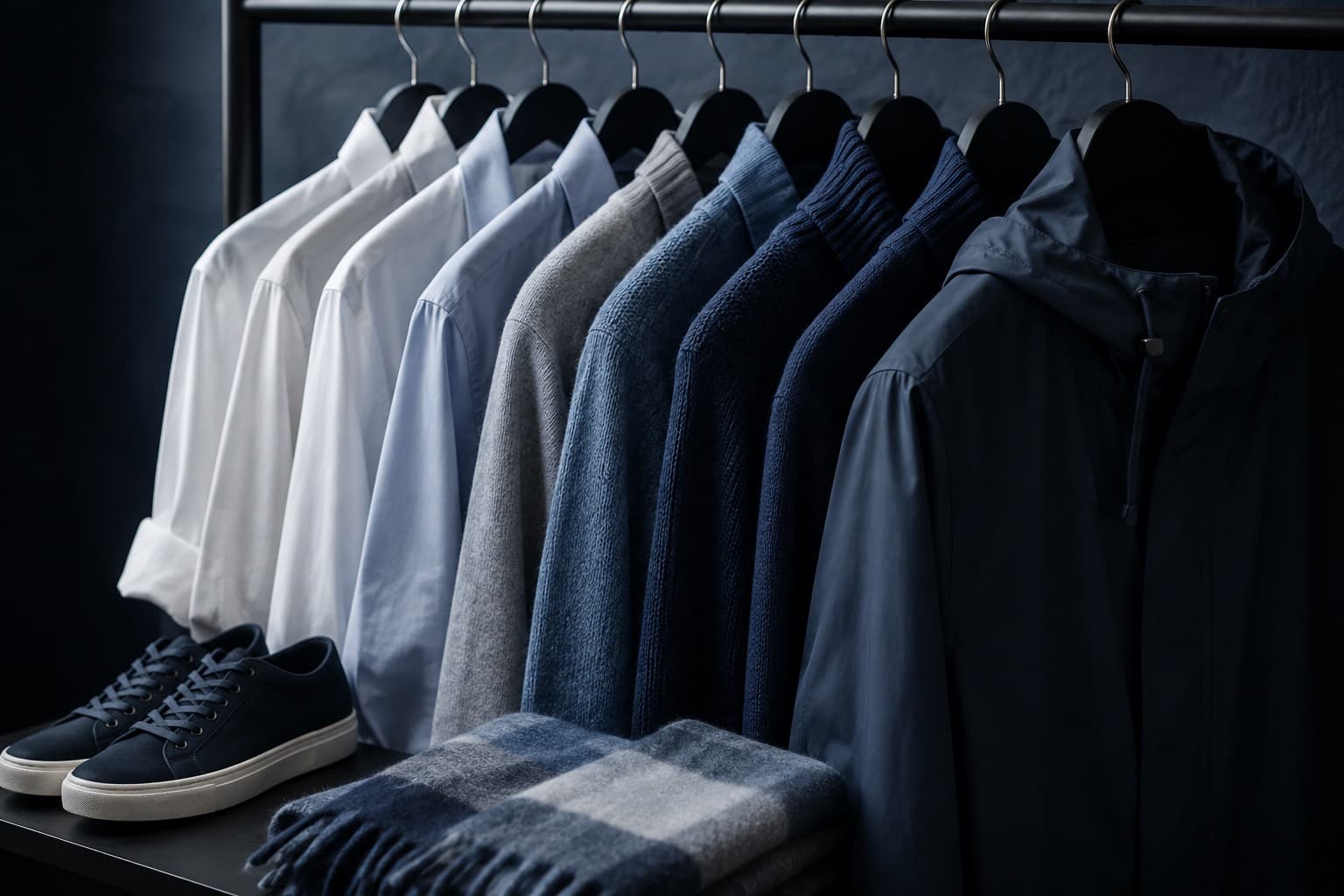
Women's capsule wardrobe
Build repeatable outfits around a real week, climate, body and purchase limit.
↗
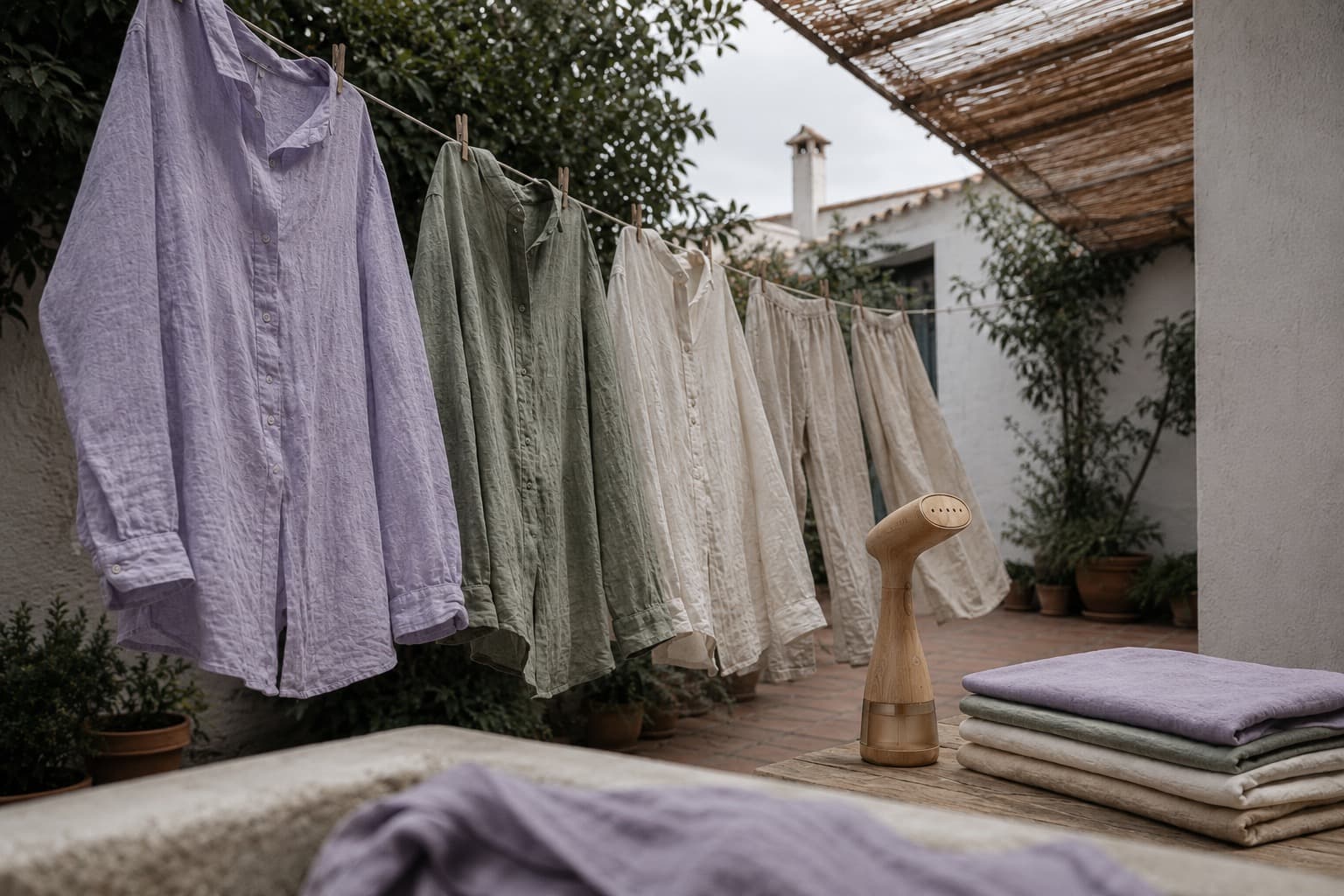
Men's capsule wardrobe
Create a compact menswear system that works across office, travel and weekends.
↗
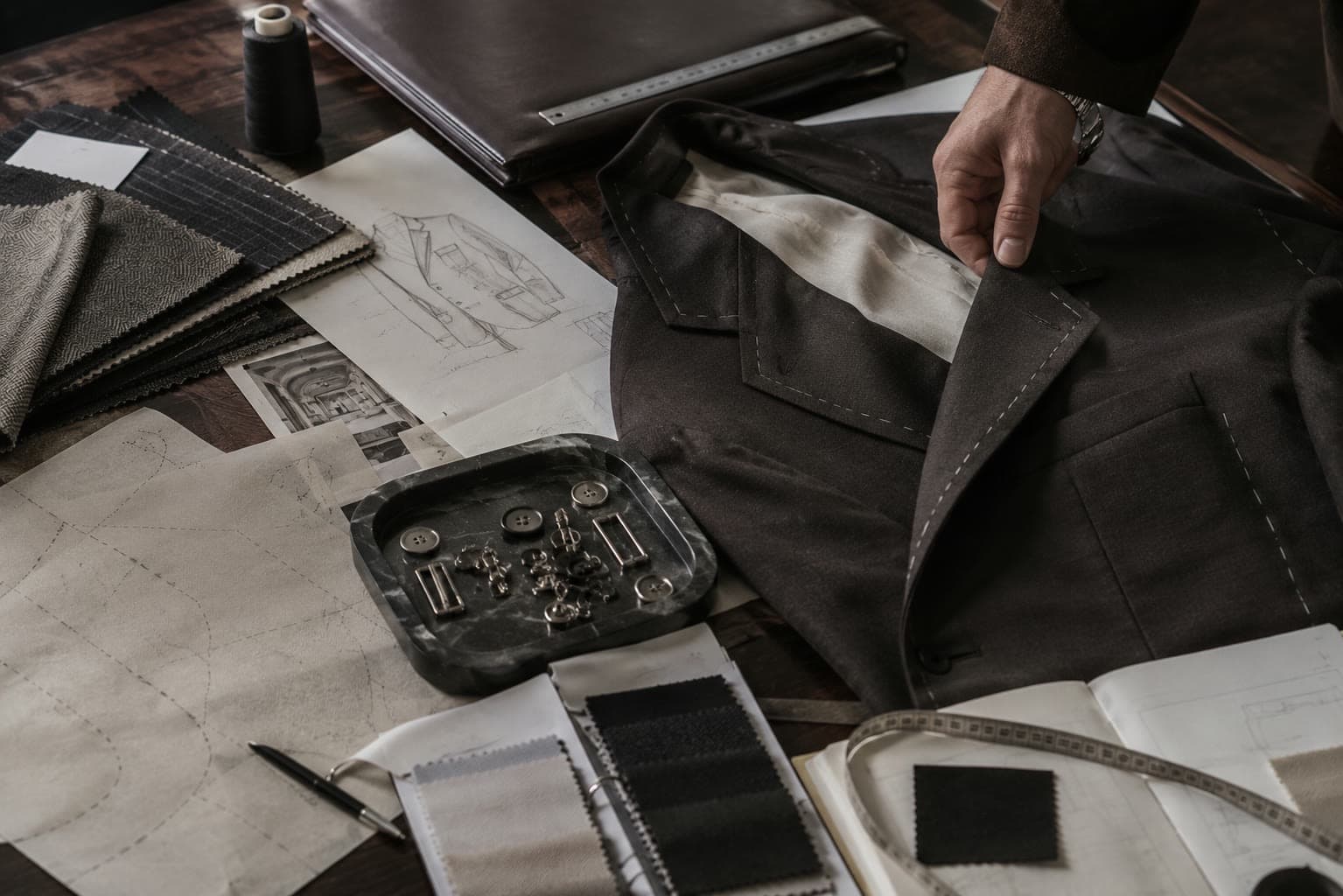
Seasonal wardrobe refresh
Prepare the next season by reusing strong pieces and filling only the gaps that block outfits.
↗
Personal shopping
Buy fewer, better-matched pieces through a pre-agreed list, limits and decision rules.
↗