
Video
How much does a promo video cost in 2026, and what are you paying for?
Most businesses pay $1,000–$15,000 for a professional promo video, and a 30–60 second film from a mid-tier agency costs $2,000–$8,000, according to Vidico’s 2026 guide. Scope drives the price more than length: shoot days, crew, cast, animation and post-production. At VITON13 a corporate video starts from $53.
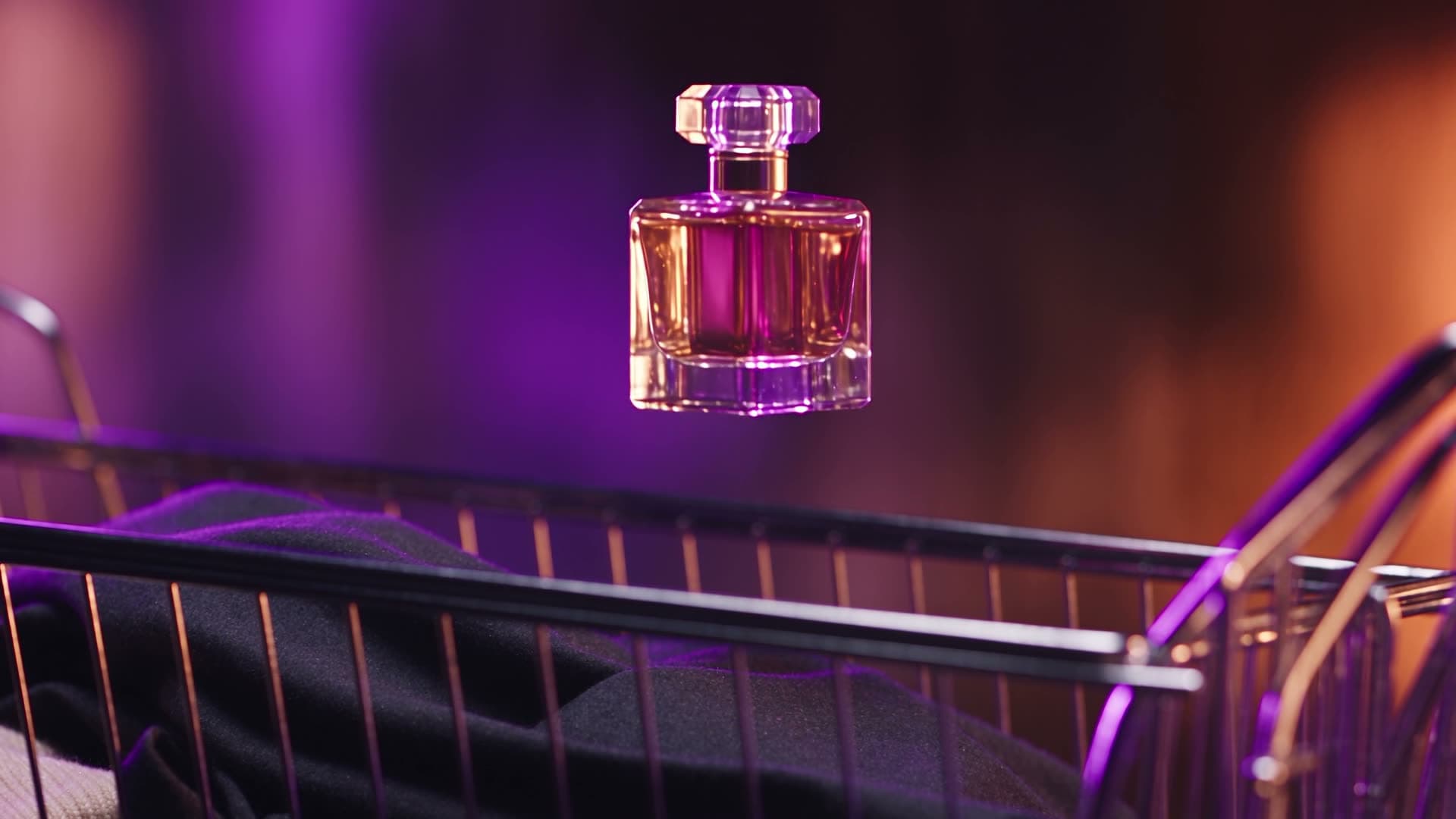
What does a promo video cost in 2026?
“A video” can mean one person talking to a phone camera or a two-day shoot with a crew, actors and a colourist. That is why quotes for the same brief can differ tenfold. The useful first step is to decide which production level your goal needs, because that sets the budget range before any creative discussion.
| Level | What it usually means | Typical price |
|---|---|---|
| Basic | A small crew or one operator, a simple edit, stock music | $1,000–$5,000 |
| Mid-tier, 30–60 seconds | Planned shots, a professional crew, graded and mixed | $2,000–$8,000 |
| High-end cinematic | Larger crew, cast, locations, advanced post-production | $15,000–$50,000 and more |
| Per finished minute | Professional team, depending on complexity | $900–$4,000 |
Compare quotes on what they contain: number of shoot days, crew, locations, voice, graphics, versions for different platforms and revision rounds. Two identical totals can hide very different amounts of work, and the cheaper one often charges later for the cut-downs you assumed were included.
Which type of video does your goal need?
| Type | Best for | Production effort |
|---|---|---|
| Corporate or brand film | Trust: the team, the process, why you | Interviews and b-roll, one or two shoot days |
| Product video | Sales: how the product looks and works | Studio or location shoot of the product |
| Animated explainer | Services or software that are hard to film | Script, storyboard, animation, voice |
| Filmed commercial | Paid campaigns and launches | Treatment, crew, cast, locations |
| AI-generated film | Fast concepts and visuals that would be costly to shoot | Directed generation, design, edit |
Start from the viewer and the moment: a buyer comparing products needs a product video on the product page; a client choosing a contractor needs to see the people behind the work; a campaign needs a short, bold film and many versions of it.
What drives the price of a video?
- Shoot days and locations: every extra day or move of equipment adds crew time and logistics.
- Crew size: an operator alone costs a fraction of a director, camera team, sound and lighting.
- People on camera: actors, models and presenters, plus their usage rights for ads.
- Voice-over: Vidico quotes $300–$1,000 per minute for professional voice work.
- Animation and graphics: titles, diagrams or full animation add design and render time.
- Post-production: colour, sound design and effects add 15–40% to the base cost, per Vidico.
- Versions: vertical, square and short cuts for every platform you plan to use.
- Music: licensed tracks cost money and have usage limits; custom music costs more.
Of these, shoot days and people on camera move the budget most. A script that fits one day in one location saves more money than any negotiation over rates.
How much would your video cost with VITON13?
Choose the type of video and the extras your plan needs. The totals add the live starting prices of VITON13 packages in both production modes; a filmed commercial is priced from the shoot plan, so its figure is a starting point.
Cost calculator
Plan your video
Pick one type of video, then add the versions and extras you need.
Your estimate
- AI-assisted
- from $106
- Human-led
- from $146
- Timeline
- 3–7 working days
stages can overlap; the written estimate fixes the dates
Get a written estimate in 1 working dayStarting prices of VITON13 packages; the written estimate fixes shoot days, crew and the final price before anything is paid.
A filmed commercial starts from $213 AI-assisted and $313 human-led and takes 15–30 working days, because the final budget depends on shoot days, crew and locations that the treatment defines.
Does a longer video cost more?
Less than most people expect. A 60-second film with actors, several locations and custom animation can cost more than a five-minute interview with one person in one room. Length adds editing time and, for animation, drawing time, but the big costs sit in the shoot and in the people on camera.
For advertising, shorter usually works better: a 15–30 second version holds attention in feeds, and the full film lives on the website or in a presentation. Plan both from the start, so the shoot captures what each version needs.
Why order the cut-downs together with the main film?
The expensive part of a video is getting a crew and a cast in one place. Cutting that material into vertical, square and short versions costs little extra when it is planned before the shoot, and a lot when someone has to reframe footage that was never composed for a phone screen.
| Version | Aspect ratio | Where it runs |
|---|---|---|
| Hero film | 16:9 | Website, YouTube, presentations |
| Vertical cut | 9:16 | Reels, Shorts, TikTok, Stories |
| Square cut | 1:1 | Feeds and marketplaces |
| Short spot | 6–15 seconds | Ads that need the message in the first seconds |
What should you prepare before ordering a video?
- One sentence on who should watch the video and what they should do afterwards.
- Where it will run: website, ads, social, a trade show screen or a presentation.
- Three to five references you like, and one you do not.
- Who and what can appear on camera: people, premises, products, logos.
- Deadlines, including dates that cannot move, such as a launch or an event.
- The budget range you are comfortable with; it helps pick the right production level.
With these answers a studio can propose a treatment and a precise estimate instead of a vague range, and you can compare offers like for like.
When is a filmed video the wrong purchase?
A shoot is hard to justify when the visuals would be impossible or very expensive to film, when you need many variations quickly, or when the message changes every week. Then animation or a directed AI-generated film gives more for less. Film when real people, real places or the product in real hands are the proof your viewer needs.
How VITON13 does it
We plan every video from where it will run: the treatment defines the shots, the versions and what must stay real, and the estimate follows from shoot days, crew and locations. AI-assisted: AI drafts scripts, storyboards and rough cuts, and a director and editor shape and approve them. Human-led: the crew and editor do the work, with AI assisting. You receive the treatment, the schedule and the final price in writing before anything is paid.
Video advertising production
- Price
- $213 AI-assisted or $313 human-led
- Timeline
- 15–30 working days
The final price is fixed in writing after a short scope review.
Corporate video
- Price
- $53 AI-assisted or $73 human-led
- Timeline
- 3–5 working days
Product video
- Price
- $53 AI-assisted or $73 human-led
- Timeline
- 3–5 working days
AI-assisted: AI drafts inside defined steps, a person directs and checks every result. Human-led: a specialist does the work and AI assists.
What is included
- Treatment and production schedule
- A hero film of 30–60 seconds, graded and mixed, for a filmed commercial
- 3 cut-downs for vertical, square and short placements
- A corporate or product film from $53, 3–5 working days
- Delivery for a filmed commercial: 15–30 working days
Not included
- Actors’ and models’ fees and usage rights, unless quoted
- Travel, location rental and permits
- Licensed music and stock footage
- Ad spend and posting
Revisions: 2 revision rounds on the cut and 1 on the grade for a commercial; 1 round for a corporate video
Get an estimate in 1 working dayWritten estimate within 1 working day
Example
INTERNALOur own product
Brand films for VITON13’s own brands
We made four films for our own brands: a 19.17-second film for VITON13 SCHOOL, looping hero films for the store and the studio at 1920×1080, and the GELO perfume film, which also plays frame by frame, 169 frames, as visitors scroll the VITON XIII page. The SCHOOL film and both loops are AI-generated and labelled as such, which shows how one set of visuals serves a website, a hero block and social media.
What this does not prove
- These are our own brands, not client commissions with an approval chain.
- The films are AI-generated, not live-action shoots, so they say nothing about crew or cast costs.
- There is no view or engagement data for any of them.
Read the case: VITON13 SCHOOL, two AI-generated hero loops and the GELO film
Questions and answers
How long does it take to make a promo video?
A corporate or product video takes 3–5 working days with VITON13 once the brief and access are clear; a filmed commercial with cast takes 15–30 working days, because casting, locations and scheduling come first. Animation depends on the length and the style.
Do I need professional actors?
Not always. Real employees and customers are often more convincing for corporate and service videos, as long as they are comfortable on camera and have agreed in writing. For advertising with a scripted scene, trained actors save shoot time and retakes.
Who owns the video and the raw footage?
You own the finished video once the final price is paid. Raw footage, project files and music rights are agreed in the estimate, because licensed music and some stock material come with their own usage limits.
Can the video be used in paid advertising?
Yes, if the rights allow it. Actors, models and music must be cleared for advertising use, and some platforms require AI-generated material to be labelled. We list every right and label in the delivery notes.
Is an AI-generated video cheaper than filming?
Usually yes, and faster, when the visuals would be expensive to shoot. It is not a substitute when viewers must see real people, real premises or the actual product in use; then a shoot is the honest choice.
What happens if I do not like the first cut?
The estimate includes revision rounds on the cut, so the first version is a draft to react to, not the final film. Changes beyond those rounds, such as a new script after filming, are quoted before they start.