AI-assisted
from$13For a defined production scope where AI removes repetitive work and a specialist reviews the delivery.
A logo is not a picture. It is one shape that has to stay itself at 12 millimetres and at three metres, in one colour and in full colour, on a photograph and on a box. This is how that shape gets made and what you receive.
AI-assisted: USD 53Human-led: USD 73; for an agreed AI-assisted base scope under human direction; the final price is fixed in writing before production
In short
Logo design starts at USD 53 with AI-assisted production or USD 73 with a human-led route.
The published scope includes vector source (svg and pdf), full-colour, mono and inverted versions, safe zone and minimum size.
VITON13 confirms deliverables, inputs, revisions, exclusions, handoff, timing and final price in writing before production begins.
AI reduces repetitive production time. VITON13 passes that efficiency back to the client while human review remains part of every delivery.
For a defined production scope where AI removes repetitive work and a specialist reviews the delivery.
For work that benefits from a specialist leading the process, decisions and delivery from start to finish.
For multi-part systems, advanced builds and scopes that need discovery before the final quote.
Before a line is drawn: where will this live, at what smallest size, in how many colours, printed on what. A mark for a woven label and a mark for a facade are different problems, and the answer decides the drawing.
Three routes, drawn in black on white only. Colour is withheld on purpose — it flatters a weak shape, and at this stage the shape is the only thing being judged.
One route is taken forward. Curves, weights and spacing are corrected on a construction grid, then the mark is checked in the sizes it will actually meet.
Printed small, placed on photographs, reduced to one colour, put on dark and light. Anything that breaks here goes back to step three.
Vector source, a mono version, safe zone, minimum size, and the short document that says what may not be done to it.
A useful logo brief states the business task, audience, exact name, priority applications, constraints, deliverables and decision owner. Describe what the mark must do before choosing how it should look. Use the checklist below to make the brief testable.
Read the complete guide↗Three marks, three different tests.
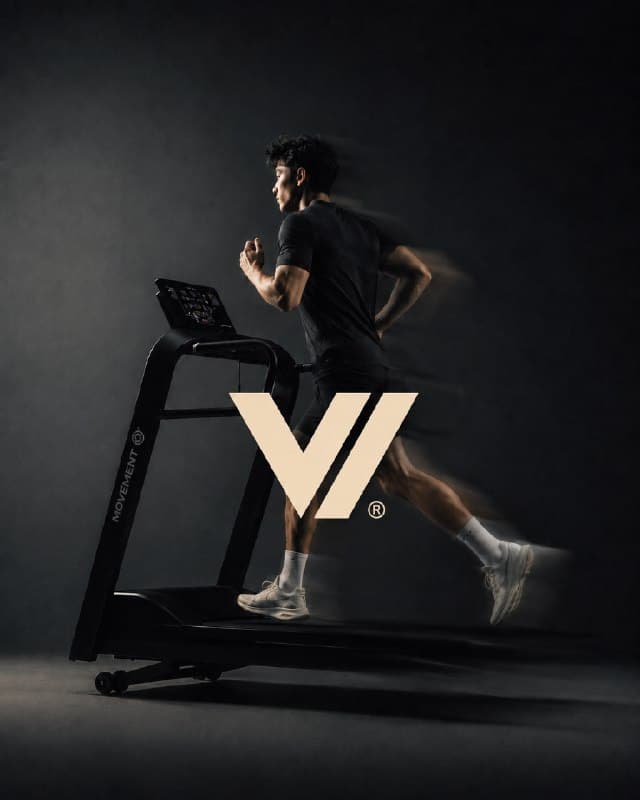
Concept project · designed by VITON13
The hardest surface for a mark: a dark photograph with motion blur behind it. Two solid wedges, no thin strokes to disappear.
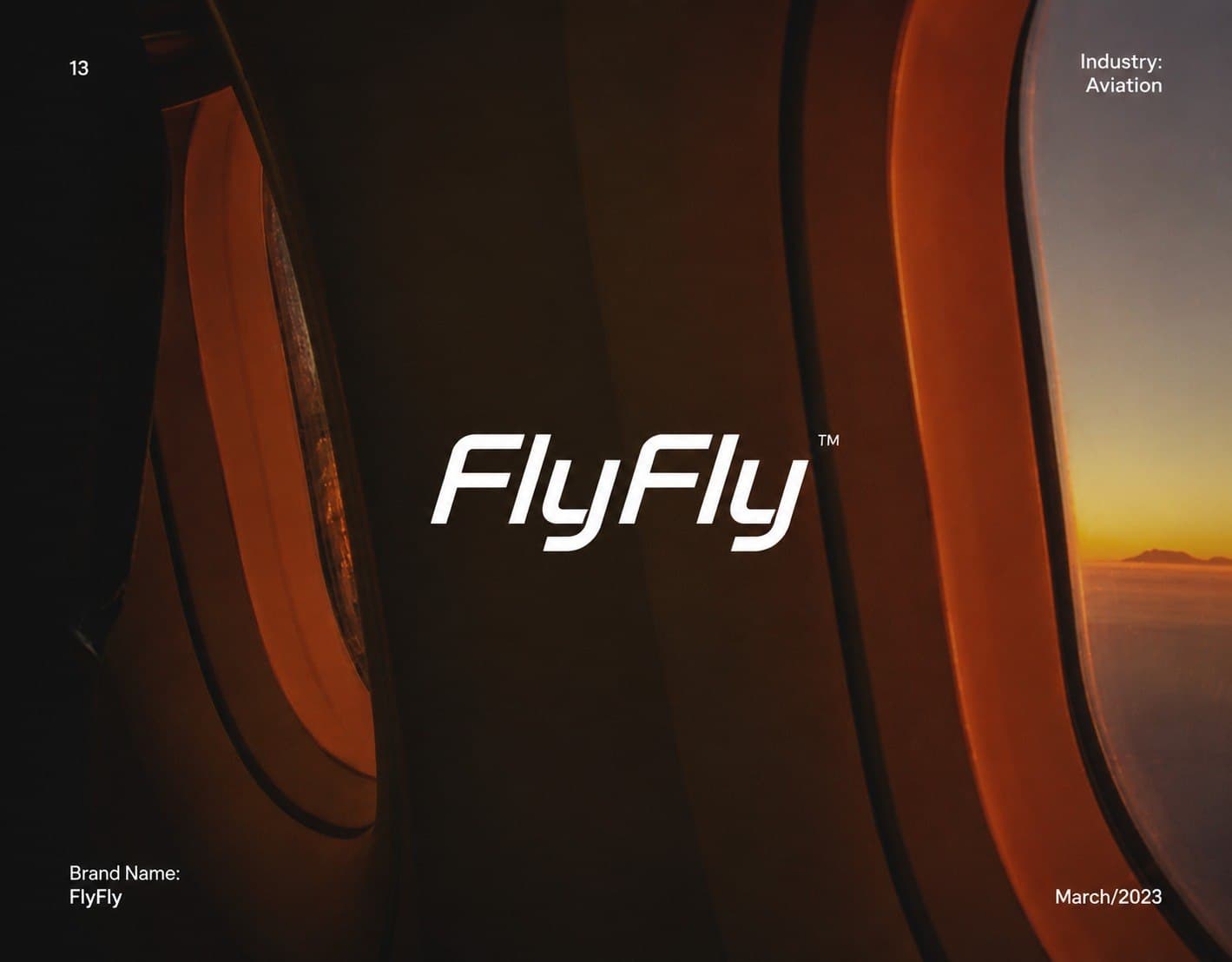
Concept project · designed by VITON13
Placed over the brightest and the darkest part of one frame at once. The italic keeps its counters open at boarding-pass size.
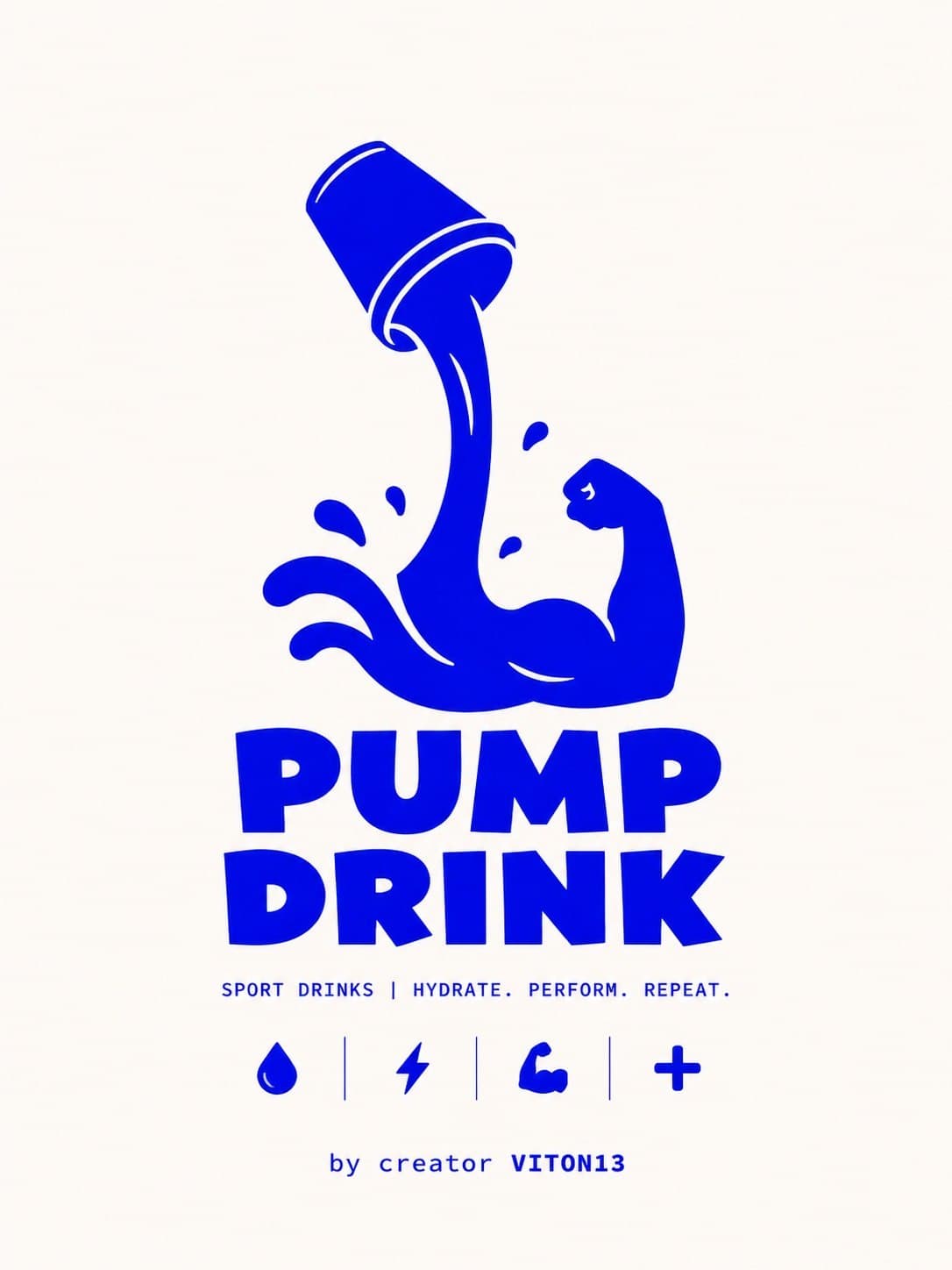
Concept project · designed by VITON13
One flat colour on purpose. A bottle is printed, not rendered: one ink is cheaper per unit and cannot drift between suppliers.
AI-assisted: USD 53. Human-led: USD 73. That base price is confirmed after the real surfaces, variants, research depth, revision points and approval owner are known. Work outside the agreed base scope is quoted separately before production.
Timing is fixed after the same scope review. The proposal names checkpoints and dependencies instead of promising a universal deadline.
Choose a logo when the immediate need is a production-ready mark and its variants. Choose identity when typography, colour, layout, imagery and application rules must work together across several surfaces.
The handoff lists editable sources, approved exports, usage guidance and the rights assigned by contract. Formal trademark clearance remains specialist legal work and is not implied by a visual similarity check.
Yes. Send the business goal, current materials, priority surfaces, deadline and decision owner. Those inputs are converted into a written scope before production starts.
Send the constraints — surfaces, smallest size, colours. If the honest answer is that you do not need this yet, we will say so.
Request a logo briefNeed the whole system, not one mark? Identity